-1.png?width=152&height=65&name=a%20ZEON%20company%20(3)-1.png "a ZEON company (3)-1")
-2.png?width=152&height=65&name=a%20ZEON%20company%20(4)-2.png "Edge")
What Is Cyclo Olefin Polymer (COP)?
A Guide for Medical & Diagnostic Applications
Selecting the right medical-grade plastic material is critical for the performance, reliability, and regulatory success of life science and diagnostic devices.
One material gaining widespread adoption in microfluidics, imaging systems, and diagnostic consumables is Cyclo Olefin Polymer (COP).
But what exactly is COP, and why are engineers increasingly choosing it over materials like COC, polycarbonate (PC), or glass?
What Is Cyclo Olefin Polymer (COP)?
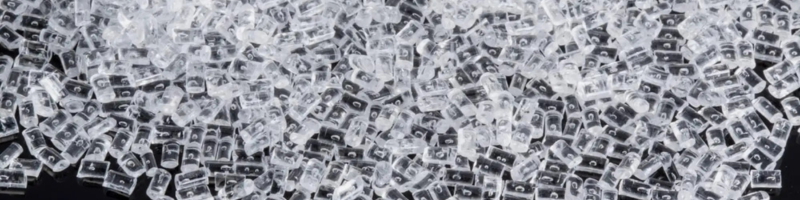
Cyclo Olefin Polymer (COP) is a high-performance, amorphous thermoplastic engineered for applications requiring:
- High optical clarity
- Low moisture absorption
- Dimensional stability
- Chemical resistance
- Low extractables
Unlike commodity plastics, COP is specifically developed for precision medical, diagnostic, and optical applications where consistency and purity matter.
COP is commonly used in:
- Microfluidic devices
- Diagnostic consumables
- Drug delivery systems
- Optical components
- Microarray slides
- Well plates and assay platforms
Key Properties of COP Material
High Optical Clarity
COP offers approximately 92% light transmission in the visible range, making it an excellent optical polymer for:
- Fluorescence-based assays
- Imaging systems
- Microscopy platforms
- Optical sensors
Its high light transmission helps maintain signal accuracy and reduce distortion in optical diagnostics.
Extremely Low Moisture Absorption
COP absorbs less than 0.01% water over 24 hours, significantly lower than many common plastics.
Benefits include:
- Improved dimensional stability
- Reduced warping
- Better microfeature accuracy
- Reliable performance in humid environments
For microfluidic applications, this stability is critical.
Chemical Resistance & Low Extractables
In regulated medical and life science environments, material purity is essential.
COP offers:
- Low extractables profile
- High chemical resistance
- Minimal interaction with sensitive reagents
These properties make COP suitable for a wide range of diagnostic consumables and advanced medical devices.
Thermal Performance
COP is available in multiple grades with glass transition temperatures (Tg) ranging approximately from 69°C to 163°C.
This enables:
- Autoclave compatibility (depending on grade)
- Dimensional stability under heat
- Broader sterilization flexibility
COP vs COC vs Glass
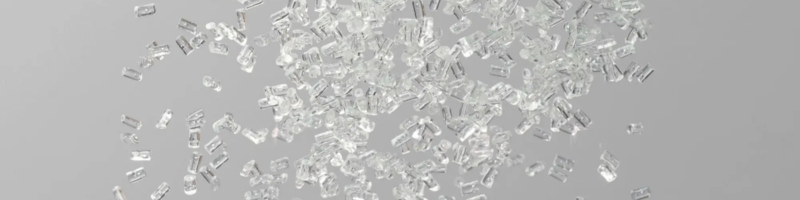
When comparing COP vs COC or COP vs glass, key differentiators often include:
- Lower moisture absorption than COC
- Excellent optical stability
- Lower density than glass
- Improved impact resistance compared to more brittle materials, like COC
While glass remains an incumbent material in some applications, many diagnostic manufacturers are evaluating COP as a lightweight, moldable alternative for precision components.
Is COP Difficult to Mold?

One common misconception is that COP is difficult to mold.
Like many high-performance polymers, COP requires proper processing parameters and tooling expertise. When handled correctly, COP enables:
- Strong mold transcription
- Replication of micro-scale features
- Optical-grade surface finishes
- Precision injection molding and compression molding
Material selection and manufacturing expertise must work together to unlock the material's full performance potential.
Edge Precision’s Expertise in COP Manufacturing
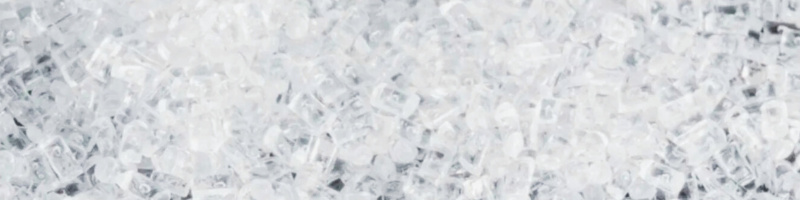
At Edge Precision, we specialize in precision molding of high-performance polymers for life science and diagnostic applications.
Our capabilities include:
- Precision injection molding
- Precision compression molding
- Microfeature replication
- ISO 13485-aligned manufacturing
- Class 7 cleanroom production
Edge is proudly part of Zeon, a global leader in advanced polymer materials and the manufacturer of COP resin
This relationship provides:
- Direct access to deep material expertise
- Supply chain stability
- Insight into polymer performance characteristics
While ZEON develops the material, Edge applies that material expertise to real-world precision-molded components.
Evaluate COP in Real Molded Components
Material datasheets are valuable, but physical evaluation tells the full story.
To help engineers and scientists assess COP performance in precision-molded parts, Edge offers two sample components:
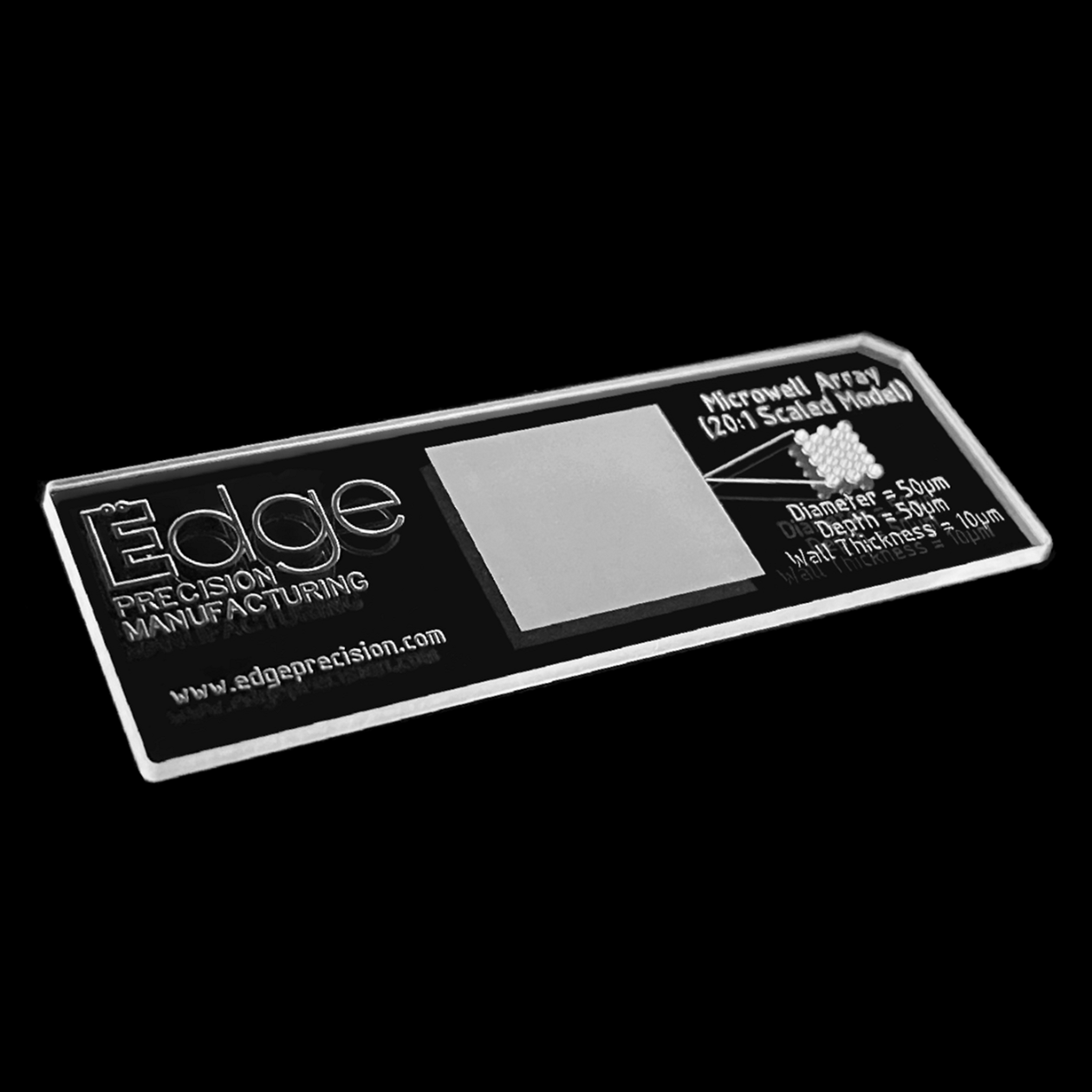
Microarray Slides
Optically clear COP slides demonstrating:
- Surface flatness
- Optical clarity
- Microfeature precision
- Consistent molding quality
Microfeatured 96‑Well Plate
A precision-molded COP plate showcasing:
- Well geometry accuracy
- Dimensional consistency
- Optical transparency
- Replication fidelity
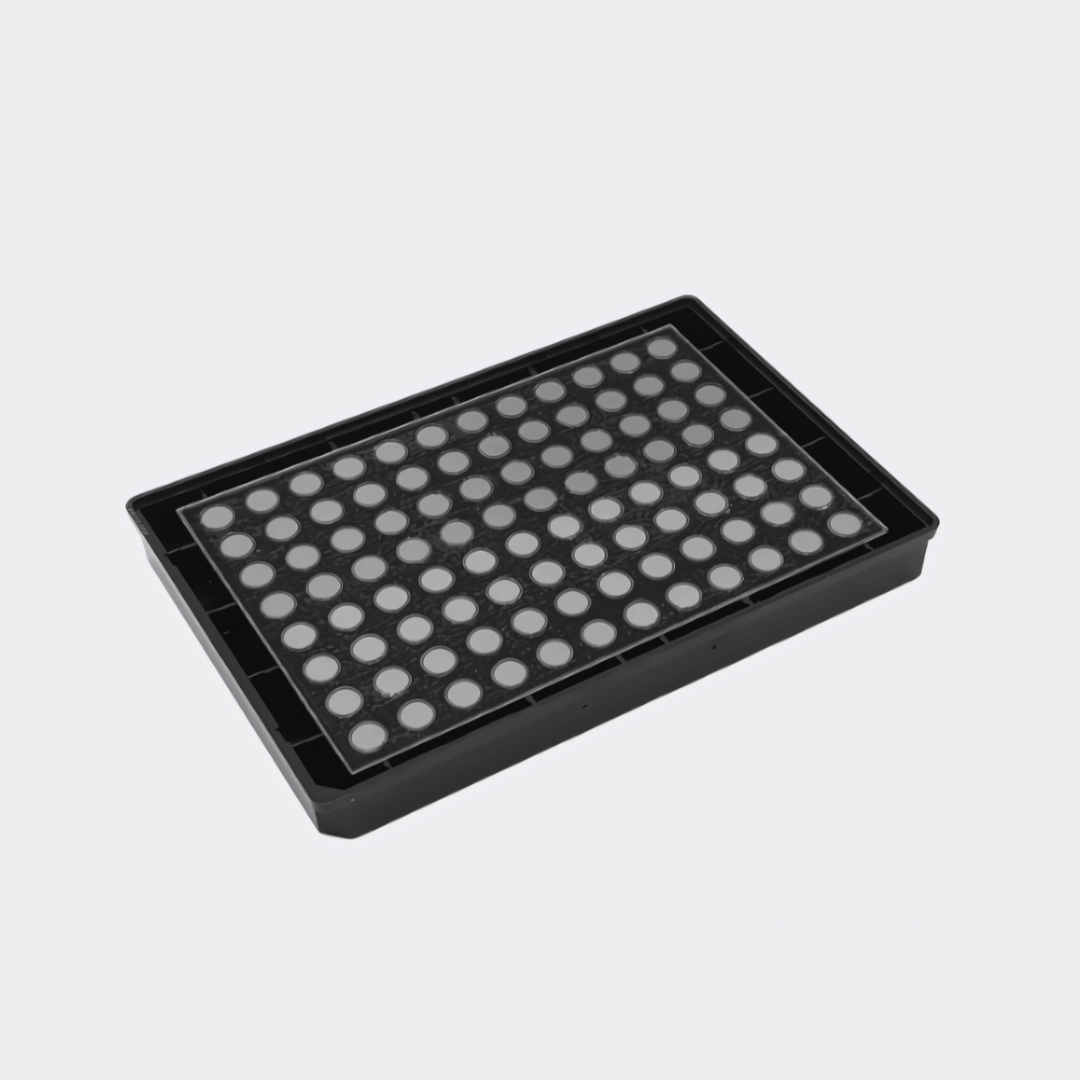
These samples allow you to evaluate:
- Optical performance
- Mold transcription
- Surface finish
- Material clarity
- Overall manufacturing quality
Before committing to tooling or supplier selection.
Request a COP Sample
If you are evaluating Cyclo Olefin Polymer for medical, diagnostic, or microfluidic applications, reviewing real molded components can provide valuable insight.


-1.png)
Optical Properties of Compression Molding and COP
%20(2).png)
Edge Precision at MD&M Midwest 2025 – Booth #3912
%20(1)-1.png)
Visit Edge Precision at MEDevice Boston 2025 – Booth #121
.png?width=600&height=188&name=edge%20forward%20(1).png)